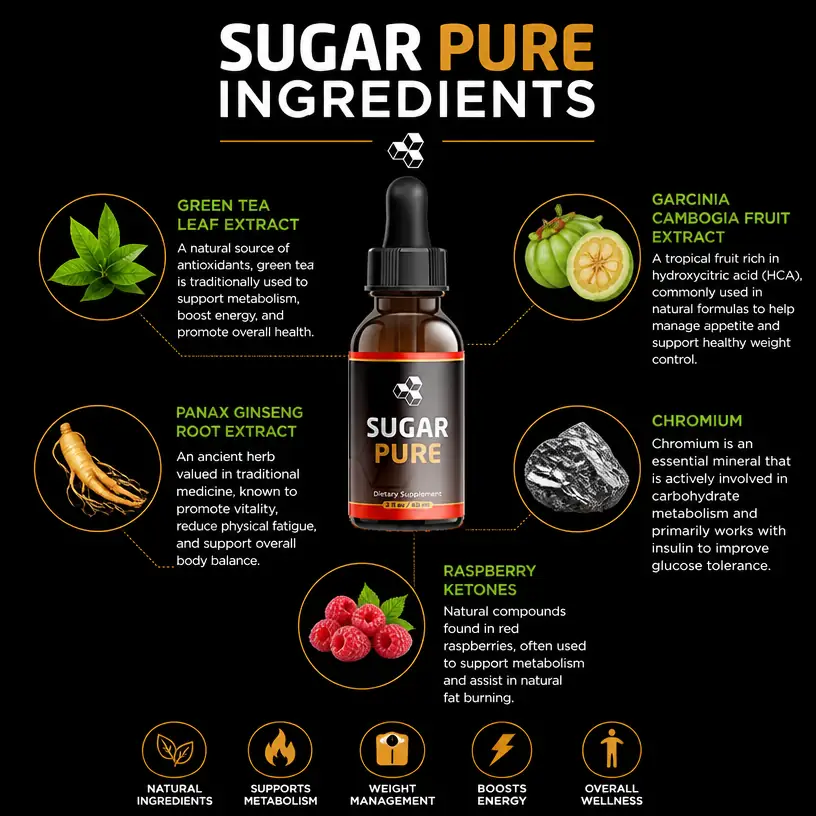
Green Tea Leaf Extract
Camellia sinensisA widely studied source of catechins with modest research on metabolic rate — and a documented liver-safety signal at concentrated extract doses.
Read moreFive detailed pages, one per published ingredient, ranked here by how much evidence actually stands behind each.
Label order tells you nothing. Ranked by the weight of human research, this formula is unusually uneven — it contains one of the better-studied botanicals in the supplement market and one of the least studied, side by side.
Panax ginseng has been studied for decades, with trials on fatigue, wellbeing and cognitive performance. Effects are modest, but the literature is real and repeated. Green tea extract also has a large research base, though its metabolic effects in humans are small and partly attributable to caffeine.
Chromium is genuinely involved in carbohydrate metabolism and insulin signalling. Whether supplementing it helps people who are not deficient is a separate question, and the meta-analyses are mixed and modest. It remains the only ingredient here with a real glucose connection.
Garcinia cambogia has an inconsistent trial record, with better-controlled studies generally finding little meaningful effect — combined with a documented history of liver-injury reports. That combination is unfavourable in both directions.
Raspberry ketones deserve plain speaking. They became popular through television promotion rather than research, and there are essentially no published human trials supporting the weight or metabolic claims made for them. The rodent and cell studies routinely cited used exposures far beyond what any supplement delivers.
This is a liquid supplement in a dropper bottle, and the official page states no serving size, no number of drops, no timing and no bottle volume.
With a capsule the format itself implies a dose. With a dropper it does not — the difference between two drops and a full pipette is enormous, and nothing on the reference tells a buyer which is intended. It also means there is no way to work out how long a bottle lasts, which is why no supply length appears on this site's pricing.
No ingredient amounts are published either. No figures are estimated anywhere on this website; the product label is the only thing that can settle either question, and it is worth reading before you take anything.
What each is, what the trials found, what it means in an undosed liquid, and its cautions.
A widely studied source of catechins with modest research on metabolic rate — and a documented liver-safety signal at concentrated extract doses.
Read moreA tropical fruit extract marketed for appetite control, with weak and inconsistent human evidence and a genuine history of liver-injury reports.
Read moreA traditional tonic with a reasonable research base on fatigue and wellbeing — and real interactions with blood thinners and diabetes medication.
Read moreThe only ingredient in this formula with a genuine, established connection to glucose metabolism — and the one that makes the medication conversation necessary.
Read moreThe weakest link in the formula. Essentially no published human trials support the claims made for it anywhere in the supplement market.
Read moreThese five pages cover what the official page publishes. Promotional artwork supplied with the product shows eight entirely different ingredients, and this site cannot determine which formula ships.
The official page publishes five ingredients: green tea leaf extract, garcinia cambogia, panax ginseng root, chromium and raspberry ketones. That is a metabolism-and-appetite formula, and it is what this website works from.
Promotional images supplied alongside the product show something else entirely — an eight-ingredient blood-sugar formula built on gymnema sylvestre, banaba leaf, bitter melon, berberine HCl, chromium picolinate, alpha-lipoic acid, cinnamon and B complex. Only chromium appears on both lists.
Those two formulas are not variations on a theme; they are different products. Which one is in the bottle you receive is not something this website can determine, so it reports the five the seller actually publishes and flags the conflict. Read the label on arrival — and if it does not match what you expected, that is grounds to use the guarantee.

Every order is covered by a 60-day money-back guarantee running from the date of purchase. If you are not impressed with the results, the brand asks you to contact it within the first 60 days.
Read this part before ordering, because it is more demanding than most guarantees in this category. The published terms ask you to send back all the bottles, including the empty ones, before a refund is issued.
That has two practical consequences. You need to keep every bottle, empties included, for the whole 60 days. And on the six-bottle package you would be returning six bottles, at a postage cost the terms do not address — worth asking about before you buy the largest tier.
Two further details are not specified: whether the 60 days runs from order or from delivery, and who pays return postage. Both are worth confirming at the checkout rather than assuming.
Read the ingredient pages and the safety page first. This is a five-ingredient metabolism-and-appetite formula, and if you are managing blood glucose it needs a conversation with your doctor or pharmacist before anything else.
From $49 per bottle · 60-day money-back guarantee · All bottles must be returned